DIRECTOR’S CUT CRAFT
Why Are Movies and TV Shows So Dark Now?
From Game of Thrones’ Long Night to The Batman, viewers keep reaching for the remote. Digital cameras, HDR, streaming compression and changing styles all play a part. Here’s what’s really going on, and what you can do at home.
It is one of the most common complaints about modern film and television: you cannot see what is happening. Night scenes turn into black screens, faces vanish into shadow and viewers end up turning the brightness up and squinting. It is not your imagination, and it is not only your television. Here is why so much of what we watch has got darker, and what can be done about it.
The short version
Films and shows look darker because digital cameras can shoot in very low light, filmmakers favour naturalistic “motivated” lighting, HDR grades are made for screens most people do not own, and streaming compression strips detail from shadows first. At home, a cinema picture mode, a dimmer room and the highest streaming quality help most.
The night nobody could see
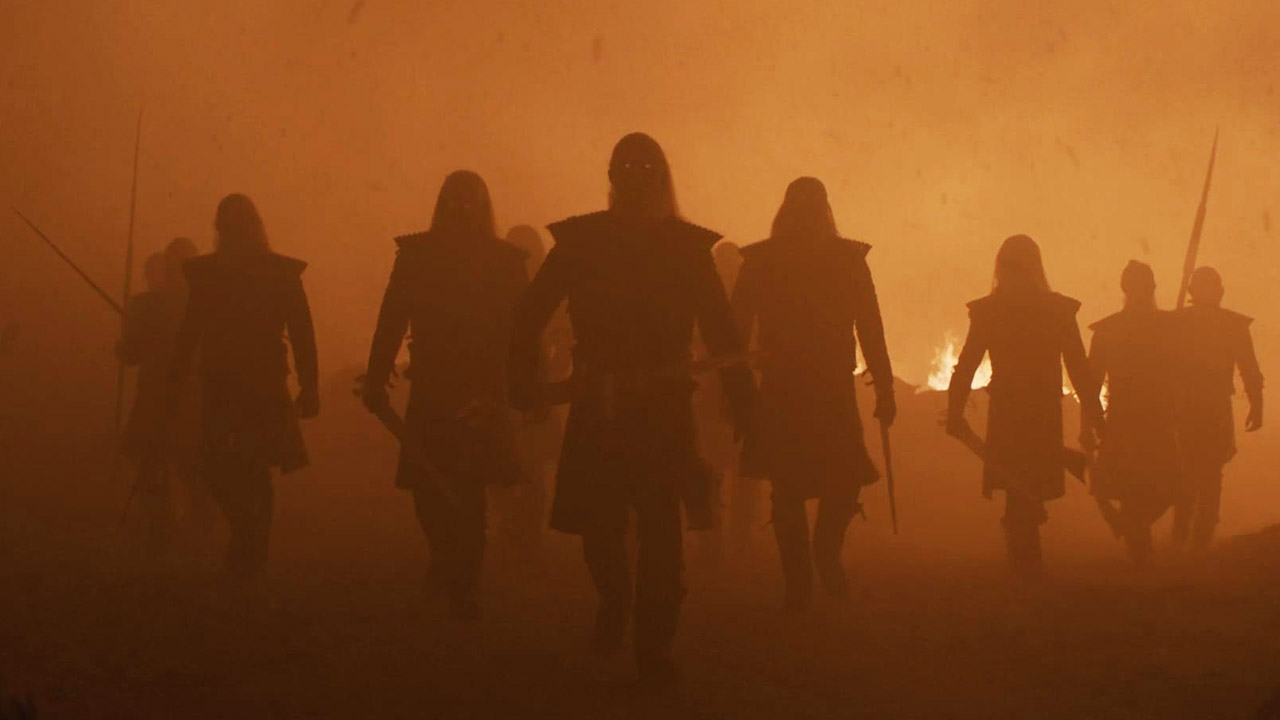
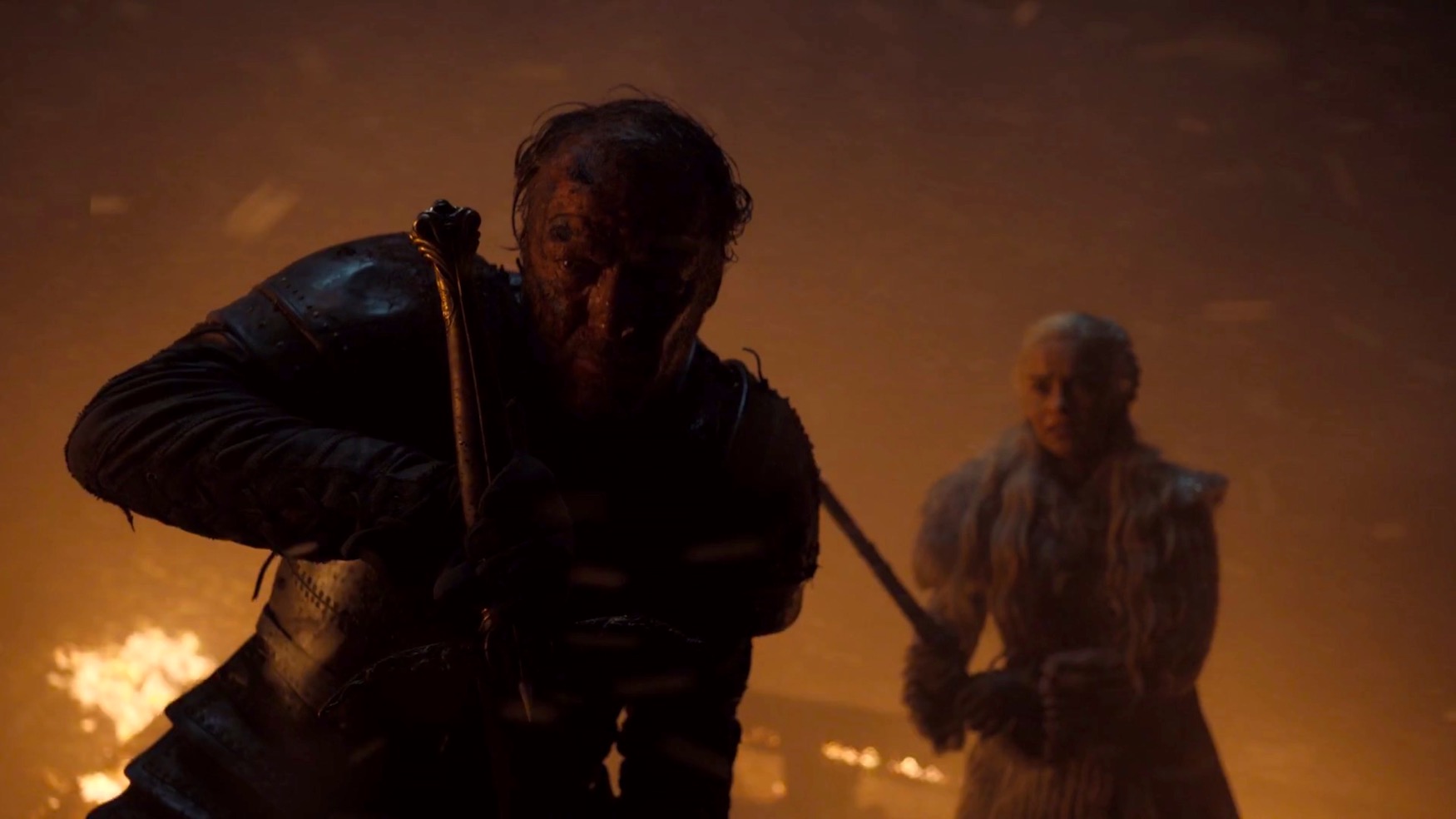
On 28 April 2019, millions of people sat down to watch the biggest battle in television history and saw almost nothing. “The Long Night”, the third episode of the final season of Game of Thrones, ran for 82 minutes, and much of it looked like a black screen with occasional sparks. Social media filled with jokes, screenshots of pure darkness and the same question: was it just my television?
The episode’s cinematographer, Fabian Wagner, was having none of it. He told TMZ, in a line that has been quoted ever since, that he knew it was not too dark because he shot it, and he told Wired that a lot of the problem was that people did not know how to tune their televisions properly. As SlashFilm reported at the time, his advice was to watch it in a dark room and not on a phone.
Seven years later, the complaint has not gone away. If anything, it has become one of the defining gripes of the streaming era. Viewers reach for the remote during night scenes in House of the Dragon, squint through the rain in The Batman, and wonder why so many new films and series seem to be lit by a single candle. So is it the filmmakers, the technology or our televisions? The honest answer is all three, and understanding why tells you a lot about how films are made now.
Reason one: digital cameras can see in the dark
For most of cinema’s history, darkness was expensive. Film stock needed a lot of light to record an image, so night scenes had to be lit heavily, often with huge lamps standing in for the moon. Directors and cinematographers learned to suggest darkness rather than actually show it: a blue tint here, a bright edge on an actor’s face there. Audiences read it as night, but they could still see everything.
Modern digital cameras changed the rules. Today’s sensors can record usable images in light so low that a person on set would struggle to read. That freedom is genuinely exciting. Cinematographers can shoot by candlelight, street lamps or a phone screen, and capture moods that would have been impossible on film. But it also means there is no longer a technical reason to add light, and many filmmakers have chosen not to.
The industry term is motivated lighting: every light in the frame should appear to come from a real source in the scene. If a character is in a room lit by one lamp, the image should look like it. It is a more naturalistic style, and when it works, it pulls you into the world. When it goes too far, you are left staring at the shape of a head against a slightly lighter wall, trying to work out who is speaking.
Reason two: the picture is made for a screen you do not own
Most big films and series are now graded for HDR, or high dynamic range. HDR allows a much wider range between the darkest blacks and the brightest highlights than older formats, and on a high-end television in a dark room, it can look spectacular. Colourists and cinematographers work on calibrated professional monitors that show every detail in the shadows.
The problem is that very few viewers watch on those screens. Most televisions are dimmer than a professional monitor, many are set to energy-saving modes out of the box, and most living rooms are not dark. A scene designed to sit deep in the shadows of an HDR image, with detail you can just make out on a grading suite monitor, can collapse into flat black on an ordinary set. As one cinematographer put it in The Broadcast Bridge, there is a growing sense that many films and shows are simply under-lit, and filmmakers share some of the blame.
Sound has gone through a similar shift. Many viewers now watch with subtitles on because dialogue is mixed for cinema speakers rather than television ones. Picture and sound are suffering from the same gap between how a film is finished and how it is actually watched.
Then there is the phone. A growing share of viewing happens on mobile screens, outdoors, on trains, in bright kitchens. A night scene that works in a cinema has almost no chance in those conditions.
Reason three: streaming compression eats the shadows
Even if you have a perfect television and a dark room, there is one more obstacle between the filmmaker and you: compression. To send a high-quality image over the internet to millions of people at once, streaming services shrink the file, throwing away information the algorithm decides you will not notice.
Unfortunately, dark scenes are exactly where that goes wrong. Subtle gradations in shadow are among the first things to be simplified, which is why night scenes on streaming services often show ugly blocks and bands of colour where there should be smooth darkness. Wagner himself later pointed to HBO’s compression as part of the problem with “The Long Night”. Different services compress differently, and the same episode can look noticeably better on one platform, or one internet connection, than another.
Reason four: it is a style, and styles spread
Technology makes the darkness possible, but people still choose it. Prestige television in particular has borrowed heavily from cinema over the last decade, and moody, low-key lighting has become a visual shorthand for seriousness. A dark frame says “this is not ordinary TV”. Directors such as Miguel Sapochnik, who worked on some of the hardest-to-see episodes of both Game of Thrones and House of the Dragon, have used the latest cameras to create genuinely foreboding images.
Styles also spread because they become safe. When a look is associated with acclaimed shows, other productions copy it. Over time, what began as a bold creative choice becomes a default, applied to stories that do not need it. There is a related complaint about so-called “Netflix lighting”: flat, even, low-contrast images built for consistency across fast, large-scale productions. That look is less about darkness than dullness, but it comes from the same place. Visual style shaped by workflow and caution rather than by the story.
What it looks like from the production side
From inside a production, these choices are rarely careless. A night exterior on location is one of the most expensive and complicated things to shoot. Lighting a street, a forest or a battlefield properly means generators, cranes, crews working through the night and permits that limit how long you can stay. Digital cameras that can see in low light save time and money, and on a tight schedule that matters.
But good productions plan for the screen the audience will actually use. That means checking the grade on ordinary televisions, laptops and phones as well as reference monitors, and testing how the image survives compression before it is delivered. It means lighting a little more than the camera strictly needs, so the darkness reads as mood rather than missing information. The cinematographers who handle this best treat the viewer’s living room as part of the job, not someone else’s problem.
There is also a conversation that needs to happen earlier, between directors, cinematographers and the streaming services themselves. If a platform knows most of its audience will watch on a mid-range television in a lit room, that should shape how its biggest shows are lit, not just how they are encoded at the end.
How to see more at home
Until the industry fixes it, there are a few things viewers can do that genuinely help:
| Fix | Why it helps |
|---|---|
| Switch to Filmmaker, Cinema or Movie mode | Turns off processing that crushes shadows and shows the picture closer to how it was graded |
| Turn off energy-saving and ambient light sensors | These dim the screen automatically, often during dark scenes |
| Dim the room, or add a soft light behind the TV | Reduces glare and helps your eyes read shadow detail |
| Check your streaming quality setting | Make sure the app is set to the highest quality your plan and connection allow |
| Avoid phones for night-heavy shows | Small, bright-environment screens lose most of the detail in dark scenes |
That soft light behind the television, known as bias lighting, is a trick several cinematographers recommend. It is cheap, it reduces eye strain, and it makes dark scenes noticeably easier to read. Turning the brightness up, on the other hand, usually just turns black into grey without revealing much more detail.
Our view: darkness should be a choice, not a habit
There is nothing wrong with a dark film. Some of the greatest images in cinema history are mostly shadow, and a night that looks like night can be thrilling. The problem is not darkness itself. It is darkness that has become a habit, applied without thinking about how most people will actually watch.
The best cinematographers have always lit for the audience as much as for the camera. The tools have changed, and the screens have multiplied, but the job is the same: make sure the story reaches the viewer. If people at home are reaching for the remote to work out what is happening, something in that chain has broken, however beautiful it looked in the grading suite.
The good news is that the conversation has changed since 2019. Filmmakers are more aware of how their work is seen, and more productions are testing their images on ordinary screens. The industry is under pressure from every direction right now, and audiences have more choice than ever. Making sure they can actually see what is on screen feels like the least it can do. Big winter releases such as HBO’s Harry Potter series, shot by Adriano Goldman, will be watched on every kind of screen imaginable. It will be interesting to see how they handle the dark.
Questions readers keep asking
Why are movies and TV shows so dark now?
A mix of digital cameras that can shoot in very low light, a fashion for naturalistic lighting, HDR grading made for high-end screens, and streaming compression that removes detail from dark scenes.
Why was the Game of Thrones episode The Long Night so dark?
It was shot dark deliberately for atmosphere. Cinematographer Fabian Wagner blamed TV settings, bright rooms and HBO’s streaming compression for how dark it looked to many viewers.
Does turning up the brightness help?
Usually not much. It tends to turn black into grey without revealing detail. A Filmmaker or Cinema picture mode and a darker room work better.
What is bias lighting?
A soft light placed behind the television. It reduces glare and eye strain and makes dark scenes easier to read.
Is HDR to blame for dark films?
Partly. HDR allows very deep shadows that look great on high-end screens in dark rooms, but can look murky on ordinary televisions.
Your review
Seen it, or got a view on the news? Tell us what you think. Reviews are checked by our team before they appear.