DIRECTOR’S CUT INTERNATIONAL TV
Ethos Season 2: Six Years On, Turkey’s Most Talked-About Series Returns, Angrier and Braver Than Ever
Berkun Oya’s Bir Başkadır is back on Netflix with four tense new episodes. Meryem and Peri return to a country that has changed beneath the surface, and the result is one of the most important dramas of the year.
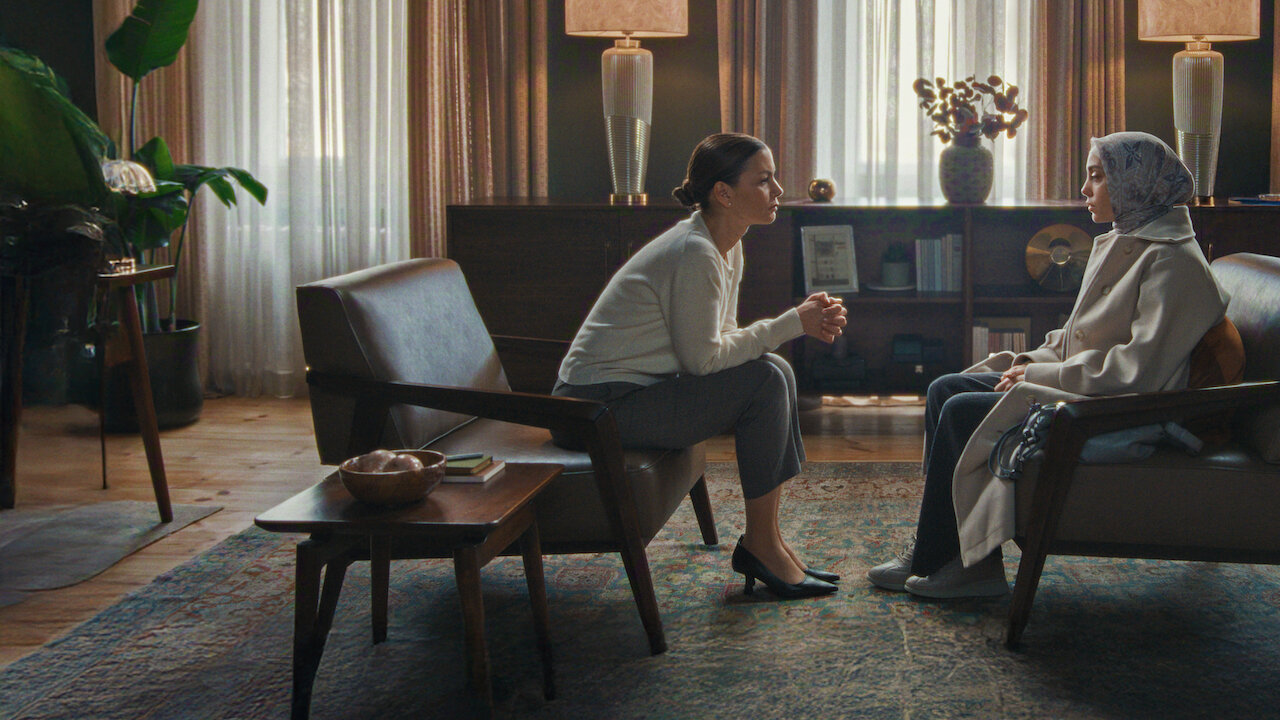
In 2020, a quiet Turkish drama about a cleaner and her psychiatrist started a national argument. Six years later to the day, Ethos is back on Netflix. It is shorter, darker and more political, and it shows a Turkey where, as one character puts it, everyone seems to be afraid.
The short version
Ethos (Bir Başkadır) Season 2 arrived on Netflix on 12 November 2026, six years after Season 1. It has four episodes, all written and directed by Berkun Oya. Öykü Karayel and Defne Kayalar return as Meryem and Peri, and Oya joins the cast in a major new role. The season tackles justice, corruption, violence against women and economic fear.
Six years to the day
Some shows return after a long gap and feel like they never left. Ethos returns after a long gap and feels like it has been watching us the whole time. Berkun Oya’s Turkish drama, known at home as Bir Başkadır, came back to Netflix on Thursday 12 November, exactly six years after the first season landed in 2020. There was almost no build-up. Netflix’s entire public description of the new season was a single line: “Zeitgeist, unexpected encounters, and new conflicts.”
That understatement suits the show. Ethos has never been a series that shouts. It watches, listens and waits, and then it quietly lands a blow you feel for days. The new season is shorter, sharper and angrier than the first, and it may be the most important piece of television to come out of Turkey since, well, Ethos.
| Ethos Season 2 | |
|---|---|
| Original title | Bir Başkadır |
| Released | 12 November 2026, Netflix |
| Episodes | 4 (Season 1 had 8) |
| Writer and director | Berkun Oya |
| Producers | Evrim Zeybek, Ali Farkhonde, Berkun Oya |
| Production company | KREK Film |
| Language | Turkish, with English subtitles |
Why the first season mattered so much
To understand why Turkish viewers have been waiting so anxiously, you need to remember what the first season did. It began with Meryem, a young part-time cleaner from a conservative family on the outskirts of Istanbul, who keeps fainting for no medical reason. Her doctor sends her to Peri, a wealthy, secular psychiatrist who, it quickly becomes clear, has strong prejudices against religious women like her new patient. Peri, in turn, takes her own discomfort to her own therapist.
From that simple set-up, Oya built a portrait of a whole country. Around Meryem and Peri he arranged a hodja and his secretly gay daughter, a Kurdish family, a soap actress, a depressed rich man and a former soldier struggling at home. Each of them lived behind their own invisible wall, and the series kept asking whether anyone could see over it.
The title itself carried a charge. Bir Başkadır comes from Ayten Alpman’s 1978 song “Bir Başkadır Benim Memleketim”, roughly “My homeland is something else”, a tune that, as Reset DOC put it, makes older Turks reach for the tissues. Using it was both affectionate and pointed.
The reaction in Turkey was enormous. The show sparked a national conversation about prejudice and the divides between secular and religious, rich and poor, Turkish and Kurdish. Some conservative outlets called for it to be censored, while many viewers defended it loudly online. One Turkish review summed up the effect neatly, saying the series had put the whole country in the therapist’s office and asked it to speak. For a streaming drama, that is about as big an impact as it gets.
A quick refresher: who’s who
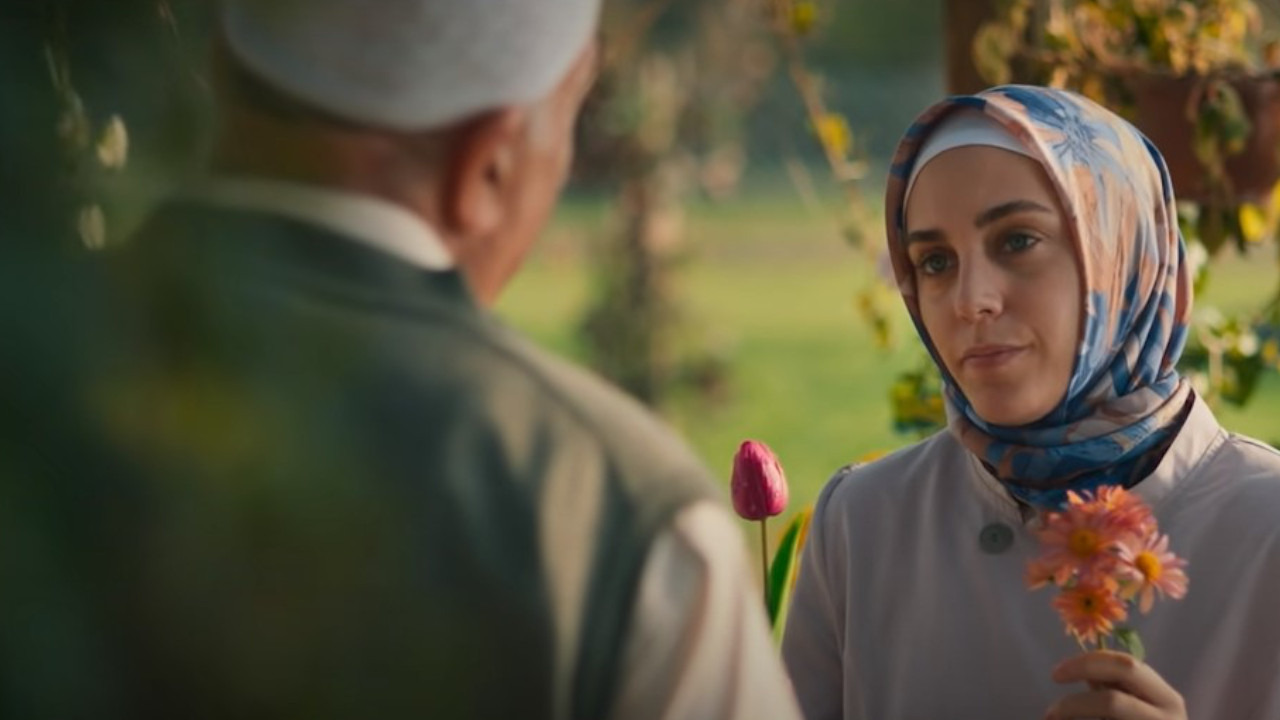
If it has been a while since you watched the first season, these are the people at its heart:
- Meryem (Öykü Karayel): the young cleaner whose fainting spells start everything.
- Peri (Defne Kayalar): the secular psychiatrist who treats Meryem and struggles with her own prejudices.
- Yasin (Fatih Artman): Meryem’s protective older brother, a former soldier.
- Ruhiye (Funda Eryiğit): Yasin’s wife, carrying a trauma that the family cannot talk about.
- Gülbin (Tülin Özen): Peri’s own therapist, who has spent her life keeping her Kurdish roots at a distance.
- Sinan (Alican Yücesoy): the wealthy, lonely man whose flat Meryem cleans.
- Hilmi (Gökhan Yıkılkan): the shy, kind man who quietly fell for Meryem, and who is now her husband.
Part of the pleasure of the first season was watching these lives brush against each other without the characters ever fully realising how connected they were. The second season keeps that idea, but it is less interested in coincidence and more interested in consequences.
Where we find them now
Season two does not simply pick up where the first left off. Time has passed, and the characters have moved on in ways that say a lot about the country around them.
Meryem, again played with extraordinary stillness by Öykü Karayel, is now married to Hilmi (Gökhan Yıkılkan), an imam who runs his own YouTube show. She is also far more outspoken than before. The quiet young woman who could barely explain why she kept fainting now says out loud what she thinks about the world, and much of what she thinks is frightening.
Peri, played by Defne Kayalar, is still in her consulting room, but her role has shifted. As the critic at Turkey Recap points out, her office now works almost like a courtroom, with Peri acting as a judge facing a parade of people who may or may not be guilty. One of her new patients is a police captain, which tells you a lot about where this season is heading.
Returning cast members include Fatih Artman, Funda Eryiğit, Cemre Zişan Sağbır, Göktuğ Yıldırım and Nur Sürer. Joining them are Onur Saylak, Cihat Süvarioğlu, Oğulcan Arman Uslu, Eda Akalın and İdil Çelik. The biggest surprise, though, is Oya himself. The writer and director steps in front of the camera in a major new role, and he is remarkably good, holding his own alongside two of the best actors in Turkish television.
Not everyone is back. Tülin Özen, who played Peri’s therapist Gülbin, and Settar Tanrıöğen, who played the hodja, were not on Netflix’s announced cast list for the new season.
A changed Turkey
On the surface, very little has changed in six years. The same faded colours, the same slow zooms into overlooked corners of Istanbul, the same patient pace. But underneath, this is a more openly political series, and it reflects a country that feels very different to the people living in it.
The new episodes deal with the reliability of the justice system, corruption and impunity, and the way violence against women has become normalised. There are journalists frightened of ending up in trouble or in prison. There is loneliness, the way feelings have been turned into products to sell, and cosmetic surgery as a route to being accepted. Running under all of it is money: inflation hangs over every scene like weather.
What makes this so powerful is that Ethos never lectures. Nobody makes a speech about the economy or the courts. Instead, the anxiety leaks out in ordinary conversations, in what people choose not to say, and in the long silences Oya is so fond of. At one point Meryem asks how everyone became so terrified, and how they ended up like this. In context, it is one of the most devastating lines of the year.
Fewer episodes, sharper focus
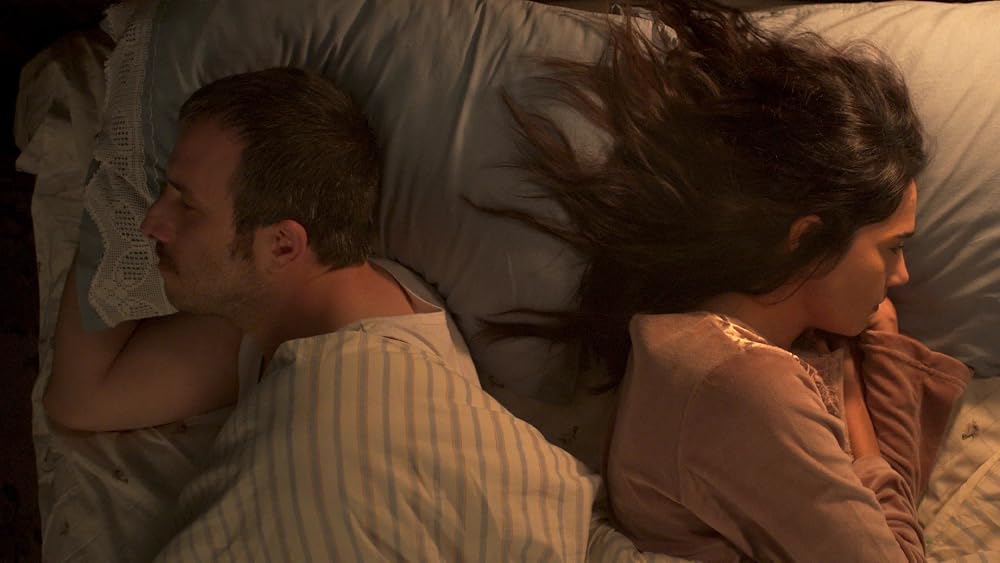
The most obvious change is length. Season one ran to eight episodes. Season two has just four, and they are dense. Some of the first season’s subplots have been dropped entirely, making room for new characters and new stories.
This is a bold choice, and mostly a successful one. The first season’s sprawl was part of its charm, a sense that every person in Istanbul could be the subject of their own episode. The second season trades that breadth for intensity. There is less time to wander, and more pressure in every scene. If season one felt like a group therapy session for a whole country, season two feels like a cross-examination.
The downside is that some favourite characters get less room than fans might want. If you loved the Kurdish family storyline or the hodja’s household, you may feel a little short-changed.
How it looks and sounds
Visually, Ethos remains one of the most distinctive series on Netflix. Oya shows Istanbul in fragments rather than postcard views. There are almost no famous landmarks. Beauty comes from natural light and glimpses of the Bosphorus, while the endless concrete apartment blocks and the loss of green space say everything about how the city has grown.
One thing is missing, though. The first season was famous for its music, especially the classic Turkish songs from the 1970s and 1980s that closed each episode. Here, the score is much less present. Some viewers will miss it. Others may feel it suits a darker, less nostalgic season.
That ending
We will not spoil it, but be warned: the finale is open-ended, and it is likely to leave many viewers unsettled. There is no neat resolution, no final song to send you off, and plenty of questions left hanging.
Some will read that as a set-up for a third season. The more interesting reading is that the ending reflects the country itself: unfinished, uncertain and waiting to see what happens next. Netflix has not said anything about further episodes, and given that it took six years to get this far, nobody should hold their breath.
Berkun Oya: Turkey’s most distinctive TV voice
It is worth stepping back to appreciate how unusual Oya is. In an industry built on long, star-driven network dramas, he writes and directs everything himself, works with a small group of trusted actors and makes short, personal, deliberately paced series.
He first made his name in theatre, then with the acclaimed 2017 miniseries Masum. For Netflix he has since made Ethos, the six-part A Round of Applause and the film Stuck Apart, as well as the feature Cici. His work has more in common with European auteur cinema than with typical streaming hits. Critics have compared Ethos to Kieślowski’s Dekalog, Robert Altman’s Short Cuts and HBO’s In Treatment.
That he does all of this inside the Turkish television system, with all the pressures that come with it, makes his work even more remarkable.
Why it matters beyond Turkey
Turkish television is already one of the world’s great exports. Long-running romantic and family dramas sell everywhere from Latin America to the Middle East, and the domestic ratings race is fierce. As Episode reports each week, shows such as Deep in Love and Uzak Şehir (Far Away) have pulled ratings above ten this month.
Ethos sits at the other end of that industry. It is short, quiet and uncompromising, and it shows that Turkish storytelling can compete with the best prestige drama anywhere. It was one of the returning titles in Netflix’s 2026 slate of Turkish series, and its success matters because it encourages the platform to keep backing distinctive local voices, rather than chasing a formula. Across Europe, from Istanbul to Madrid, local auteurs are proving that audiences will follow a strong voice in any language. Spain’s Los Javis are a good recent example, as we saw with La Bola Negra at the box office.
Should you watch it?
Yes, but start with season one if you have not seen it. The new episodes stand up on their own, but the emotional weight depends on knowing where Meryem and Peri began. The good news is that the whole thing, both seasons, comes to just 12 episodes.
Watch it in Turkish with subtitles if you can. So much of the show lives in tone of voice, hesitation and silence.
Our view
The first season of Ethos asked whether people on different sides of Turkish society could ever truly see each other. The second season asks a harder question: what happens when everyone is too frightened to look?
It is a less comfortable watch than the first. It is shorter, angrier and more willing to name the things that worry people. It also has flaws: the missing music, the dropped storylines and an ending that some will find frustrating. But in a year full of noisy, expensive television, Ethos is a reminder that the most powerful drama can come from two women sitting in armchairs, talking, and not quite saying what they mean. Six years was a long wait. It was worth it.
Questions readers keep asking
When did Ethos Season 2 come out?
It was released on Netflix on 12 November 2026, exactly six years after Season 1.
How many episodes are in Ethos Season 2?
Four. Season 1 had eight.
Who is in the Ethos Season 2 cast?
Öykü Karayel and Defne Kayalar return as Meryem and Peri, alongside Fatih Artman, Funda Eryiğit, Gökhan Yıkılkan and Nur Sürer. New cast includes Onur Saylak, Cihat Süvarioğlu and Berkun Oya himself.
What does Bir Başkadır mean?
Roughly ‘it’s something else’. The title comes from Ayten Alpman’s 1978 song Bir Başkadır Benim Memleketim.
Do I need to watch Season 1 first?
We recommend it. Season 2 works on its own, but its impact depends on knowing where Meryem and Peri started.
Will there be an Ethos Season 3?
Netflix has not announced one, and the open ending can be read either way.