FILM BOX OFFICE
Resident Evil’s $60 Million Opening Proves Game Adaptations Finally Need Real Filmmakers
Six films in, the series finally has a proper director with a proper point of view. Audiences noticed. The opening weekend nearly matched the entire US run of the old franchise’s best performer.

Nobody in the industry was expecting this. Tracking had Resident Evil somewhere around $40 to $50 million for its first weekend, which would’ve been perfectly respectable. Instead Zach Cregger’s reboot walked off with roughly $60 million in North America and a franchise record, and suddenly everyone’s talking about directors again.
The short version
Sony’s new Resident Evil movie, written and directed by Zach Cregger, opened to an estimated $60 million in North America and $108.3 million worldwide over 18 to 20 September 2026. That’s the best start the series has ever had. It reportedly cost around $75 million to make.
Resident Evil 2026 box office: the numbers, and why they’re a bit silly
Let’s get the figures out of the way. Fangoria’s round-up has it at about $60 million at home and $48.3 million overseas, so $108.3 million globally in three days. The reported budget is around $75 million. You don’t need a calculator to see Sony is very happy.
Here’s the bit we enjoyed most. The old Paul W.S. Anderson films made a lot of money over the years, but mostly abroad. The best of them in the US, Resident Evil: Afterlife, took about $60 million across its whole domestic run back in 2010. Cregger’s film did roughly that in one weekend. That’s not a reboot doing well. That’s a reboot changing who the audience is.
Zach Cregger’s Resident Evil: why the director made the difference
If you’ve seen Barbarian or last year’s Weapons, you know what Cregger does. He builds a nasty little puzzle, lets you get comfortable, then pulls the rug at exactly the wrong moment. He’s funny, which helps. Horror audiences trust him now, and trust is the one thing this franchise never really had.
That showed early. Rotten Tomatoes put it top of its list of the month’s most anticipated releases, ahead of a certain Marvel re-release. The pitch was simple: an original story set in the game world, closer to the spirit of Capcom’s games than the old films ever bothered to be. Austin Abrams, from Weapons, leads as a medical courier who gets in far over his head, with Paul Walter Hauser, Kali Reis and Zach Cherry around him.
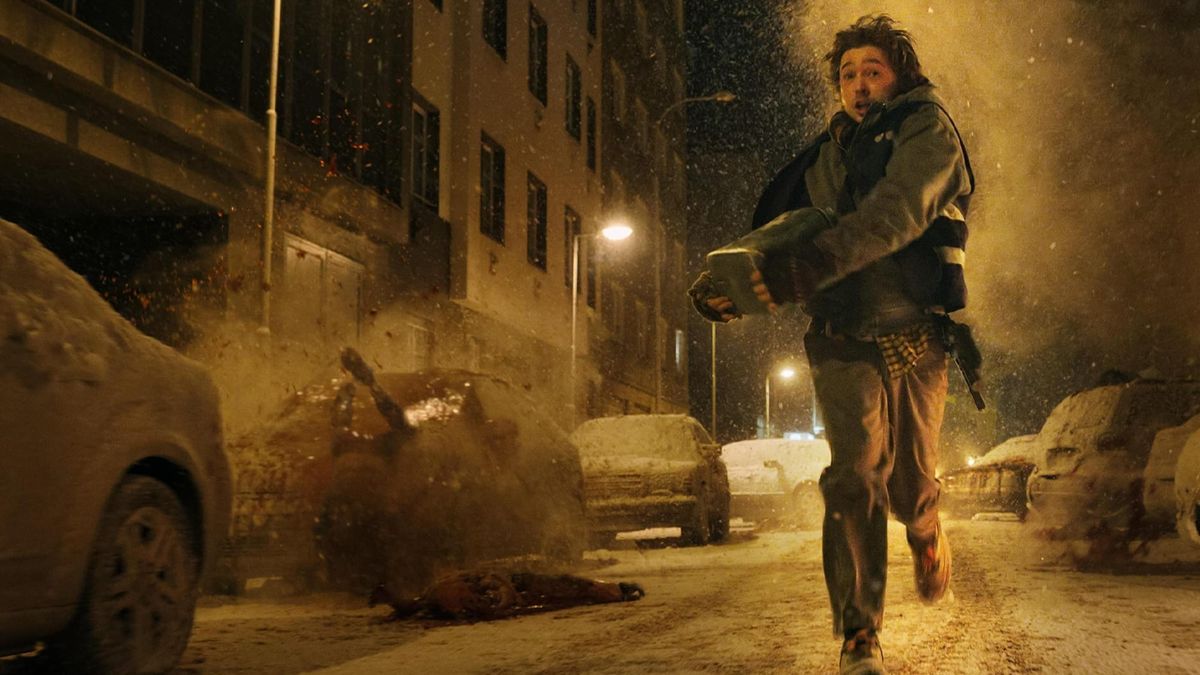
And it’s gory. Properly gory. Which, frankly, is part of the appeal. Plenty of studio horror gets the edges sanded off to reach a wider crowd. This one keeps its edges, and the crowd came anyway.
Resident Evil 2026 cast and crew
It’s a small, sharp ensemble rather than a parade of famous faces. Austin Abrams carries the film as the courier, and Cregger surrounds him with actors who can be funny and frightening in the same scene. Behind the camera, Cregger co-wrote the script with Shay Hatten, who worked on the John Wick films, and the cinematographer is Dariusz Wolski, best known for the Pirates of the Caribbean films and Ridley Scott’s The Martian. That’s a serious team for a game film, which was rather the point.
| Role | Who |
|---|---|
| Director | Zach Cregger |
| Writers | Zach Cregger and Shay Hatten |
| Lead | Austin Abrams |
| Also starring | Paul Walter Hauser, Kali Reis, Zach Cherry |
| Cinematography | Dariusz Wolski |
| Studio | Sony Pictures, with Constantin Film |
| Based on | Capcom’s Resident Evil games |
Game adaptations have quietly turned a corner
Ten years ago a video game film was a punchline. Now look at 2026. The Super Mario Galaxy Movie crossed a billion. Mortal Kombat II did solid business in May. Street Fighter is due in October. And now Resident Evil has a genuine critical and commercial hit in the middle of September, a month that’s usually a bit of a graveyard.
Bloody Disgusting called it a franchise-record smash, and the early tracking had flagged it as a record breaker before Friday was out. What’s interesting is that none of the coverage leans on nostalgia. Nobody is saying “finally, Jill Valentine looks right”. They’re talking about the film.
That’s the shift. For years studios treated games as ready-made IP with built-in fans. The fans kept turning up, getting a bad film, and going home. What Cregger’s opening suggests is that the brand gets people interested, but the filmmaker is what gets them through the door.
What other studios should take from it
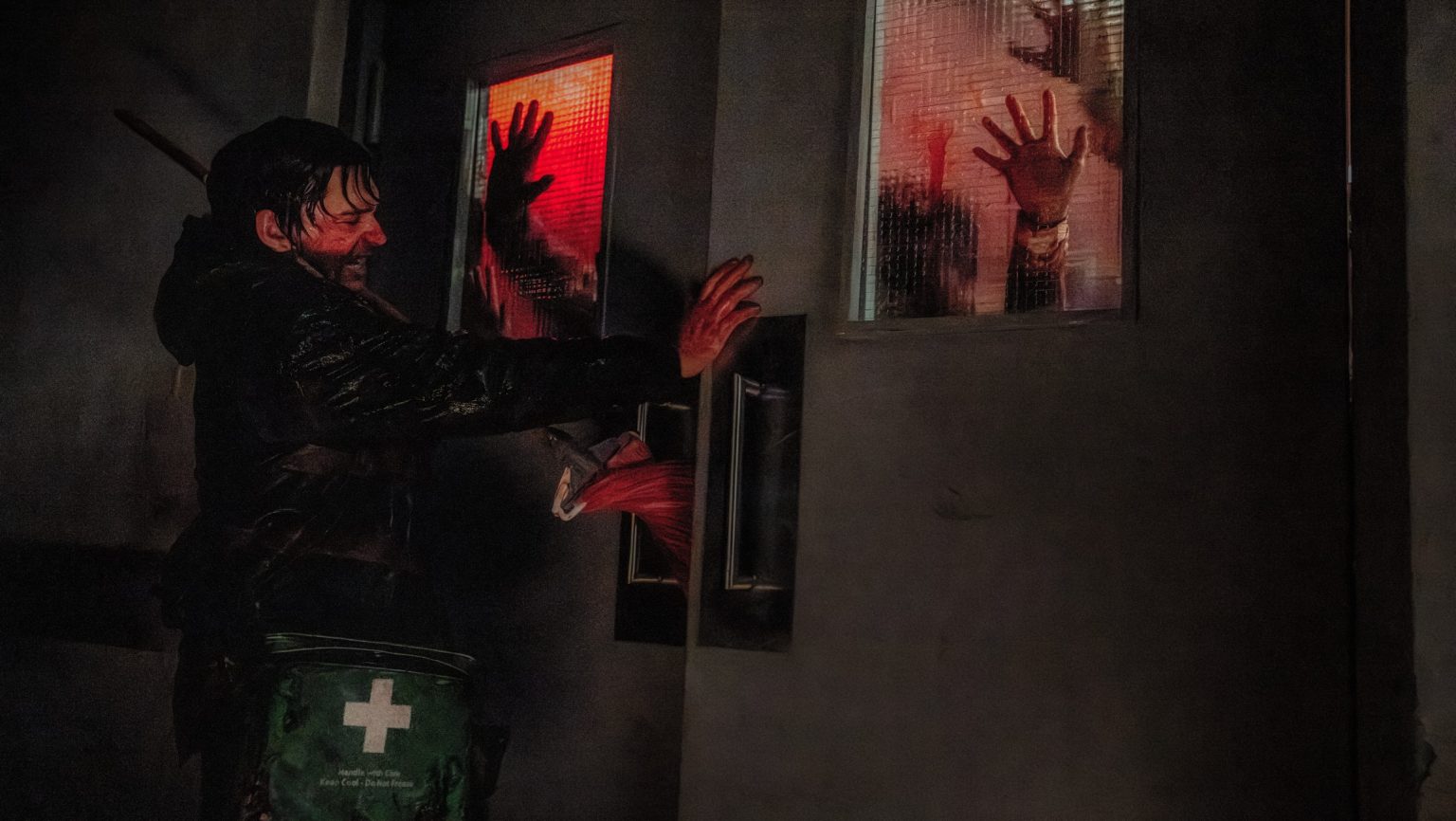
We spend a lot of time around producers, and the conversation we hear most is about risk. Big IP feels safe. A big director feels expensive. Put the two together and it starts to look reckless. Sony took that bet here and it paid off quicker than anyone expected.
It also helps that the budget stayed sensible. $75 million is real money, but it’s not superhero money. A film like this doesn’t need to gross a billion to be a win. It just needs to land the way it did, then hold.
We’ve written before about how Christopher Nolan keeps betting audiences want something harder. Cregger is making a similar bet, just with more zombies.
What happens next
The second weekend is the real test. Horror tends to drop hard, because the people desperate to see it all go on day one. If Resident Evil holds better than the genre usually does, Sony will have a sequel on the slate before Halloween. If it doesn’t, it’s still had the best start in the franchise’s history. Not a bad place to be.
Either way, we’d expect a lot of directors’ agents to be fielding calls about very old video games this week.
Update: Resident Evil box office total and where to watch
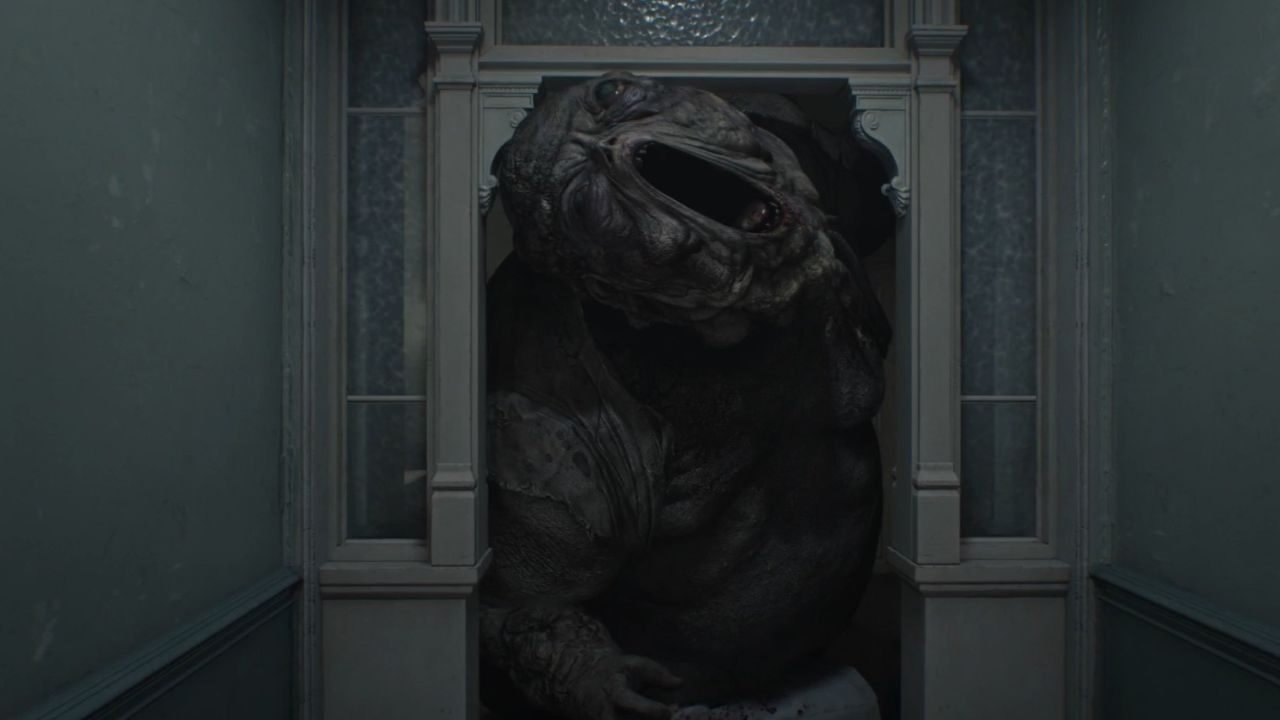
We said the second weekend would be the real test. It passed easily. Resident Evil took about $23 million in its second weekend in North America and crossed $100 million at home, the first film in the series ever to do that. Worldwide it was already close to $200 million, with China and Japan still to open.
It kept going from there. By 1 November, Variety reported that it had passed $400 million worldwide. The Numbers now has it at roughly $160 million domestic and $250 million overseas, about $410 million in total. That makes it the highest-grossing Resident Evil film ever, and more than five times its reported budget.
| Milestone | Figure |
|---|---|
| Opening weekend, North America | About $60M |
| Opening weekend, worldwide | $108.3M |
| Second weekend, North America | About $23M |
| Domestic total | About $160M |
| Worldwide total | About $410M, a series record |
| Reported budget | About $75M |
If you missed it in cinemas, you don’t have to wait long. After a seven-week run, the film arrived on premium video on demand at the start of November, so you can now rent or buy it digitally from the usual online stores. A streaming date hasn’t been confirmed yet, but Sony films usually land on Netflix in the US some months after their cinema release. A sequel hasn’t been officially announced either. After numbers like these, we’d be very surprised if it isn’t.
Questions readers keep asking
How much did Resident Evil (2026) make on its opening weekend?
About $60 million in North America and $108.3 million worldwide, which is the best start the series has ever had.
Who directed the new Resident Evil movie?
Zach Cregger, the writer and director behind Barbarian and Weapons.
Is it a remake of the old Milla Jovovich films?
No. It’s a fresh take with its own story, set in the world of the games rather than following the earlier film series.
Who’s in the cast?
Austin Abrams leads, with Paul Walter Hauser, Kali Reis and Zach Cherry.
Is it very scary?
It’s a Cregger film, so yes, and it’s pretty gory too. Maybe not one for a first date.
What is the Resident Evil 2026 box office total?
About $410 million worldwide, including roughly $160 million in North America. It’s the highest-grossing Resident Evil film so far.
Where can I watch Resident Evil 2026?
It’s available to rent or buy digitally on premium video on demand from early November 2026. A streaming date hasn’t been announced yet.
Is there a Resident Evil 2026 sequel?
Not officially yet, but given a $400 million-plus result on a budget of around $75 million, a sequel looks very likely.
Box office numbers are studio estimates as of 23 September 2026 and may be revised once actuals come in.